When a facade or interior wall panel project reaches the specification stage, the same three names come up again and again: James Hardie, Equitone and Trespa. They are often discussed as if they were the same kind of product sold by different brands. They are not. One of the most valuable things a specifier can do before comparing prices or lead times is to separate brand from material — because the three sit in different material families with different fire, moisture and durability profiles.
First, Separate Brand from Material
James Hardie is a global manufacturer of fiber cement board products — external cladding, backing board and interior linings. Equitone, part of the Etex Group, is a premium brand of large-format fiber cement facade panels known for architectural aesthetics and A2-classified fire performance. Trespa is a Dutch brand whose signature product is HPL (high-pressure laminate) — a resin-based decorative board, not fiber cement at all.
That difference matters. A fiber cement panel is inorganic: cement, silica sand and reinforcing fibres, cured in an autoclave. It does not burn, does not feed mould, and has very low moisture movement. An HPL decorative board is wood-fibre paper bonded with thermosetting resin under heat and pressure. It offers exceptional colour and texture variety, but it remains a resin product with a different reaction-to-fire class and different behaviour in long-term humidity. Knowing this is the first step to any honest comparison.
The Three Contenders at a Glance
| Brand / Family | Material | Typical Positioning | Reaction to Fire* |
|---|---|---|---|
| James Hardie | Fiber cement board | Mass-market cladding & lining, wide dealer network | Varies by product; A2/B common in EU lines |
| Equitone | Fiber cement (large format) | Architectural facades, premium finish | A2-s1,d0 (typical) |
| Trespa | HPL (resin-based) | Design-led decorative board for rainscreens & interiors | B-s1,d0 (typical) |
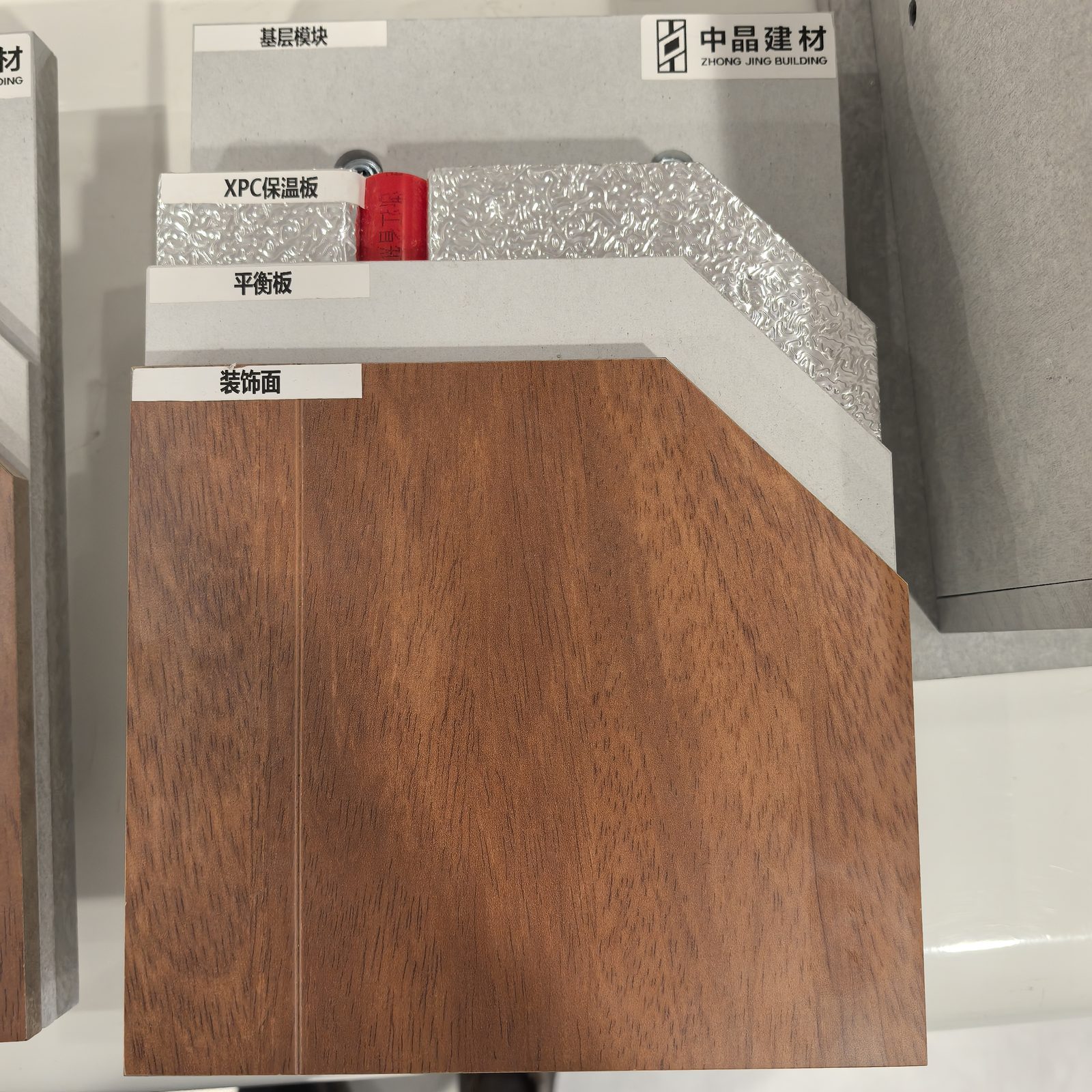
| Zhongjing | Fiber cement board (low density) | Direct/OEM supply, 4–25 mm, custom sizes | A1 non-combustible |
*Always confirm reaction-to-fire with the manufacturer's CE Declaration of Performance (DoP) for your market — classifications depend on thickness, product line and local standards.
Fire: The Dimension Where Materials Split
For facades and exit routes, reaction to fire is usually the deciding factor. European classifications run roughly A1 (non-combustible) → A2 (limited combustibility) → B (difficult to ignite) and below. Fiber cement board can reach A1 or A2 depending on formulation and density; HPL decorative board is commonly B-classified. Both James Hardie and Equitone publish market-specific ratings in their DoPs, so a fair comparison always starts from the same national standard.
Zhongjing fiber cement board is classified A1 non-combustible to GB 8624: it does not burn, melt or drip at 1000°C and produces AQ1 (safe-class) smoke. The video below shows the test — useful when a client asks what "non-combustible" actually means.
Size, Weight & Handling
Board format drives logistics and on-site productivity. Equitone's signature 1250×2500 mm and 1250×3100 mm panels suit high-end rainscreens; James Hardie offers a broader range of cladding and lining formats through local distribution. Zhongjing supplies standard 1220×2440 mm and 1220×3050 mm sheets from 4 to 25 mm, and can cut to custom sizes for direct importers and OEM partners.
Weight is where our low-density fiber cement board differs from many traditional boards. At roughly 0.85 g/cm³, a 6 mm sheet weighs around 18 kg — light enough for one person to carry and position, which shortens installation cycles on prefab and modular builds. Compare that with conventional medium-density fiber cement board and the handling difference on a full facade is significant. A thickness and density selection guide explains how to match format to application.
Finishes, Colours & the Decorative Side
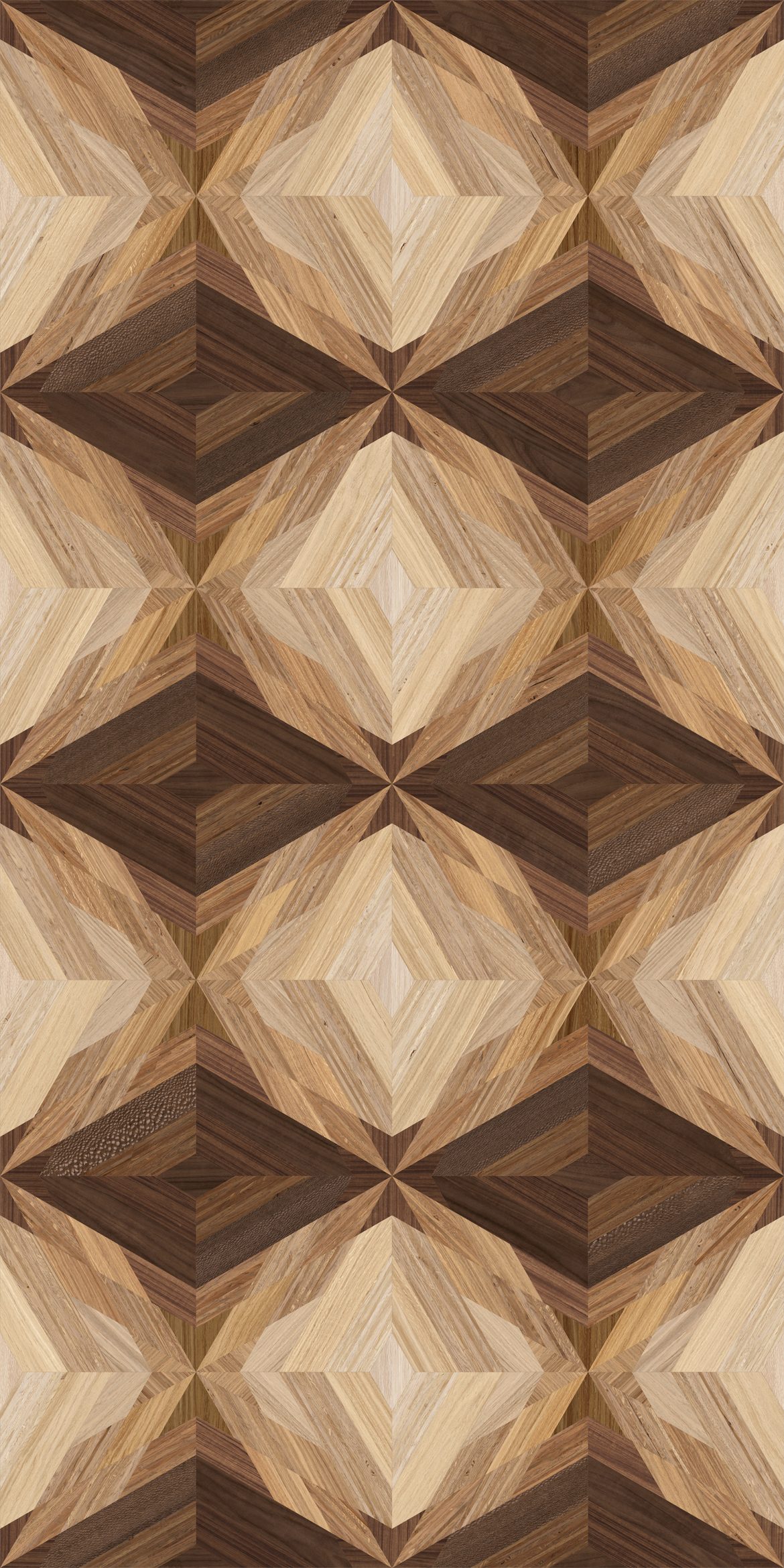
Trespa earned its reputation through surface: hundreds of colours and textures, digitally printed patterns, wood and metal looks — a genuine decorative board for design-led projects. Equitone brings architectural texture to large-format fiber cement, with natural and coated faces. The honest takeaway is that finish variety is a strength of resin-based HPL, and fiber cement has historically trailed it in surface options — though that gap is closing fast.
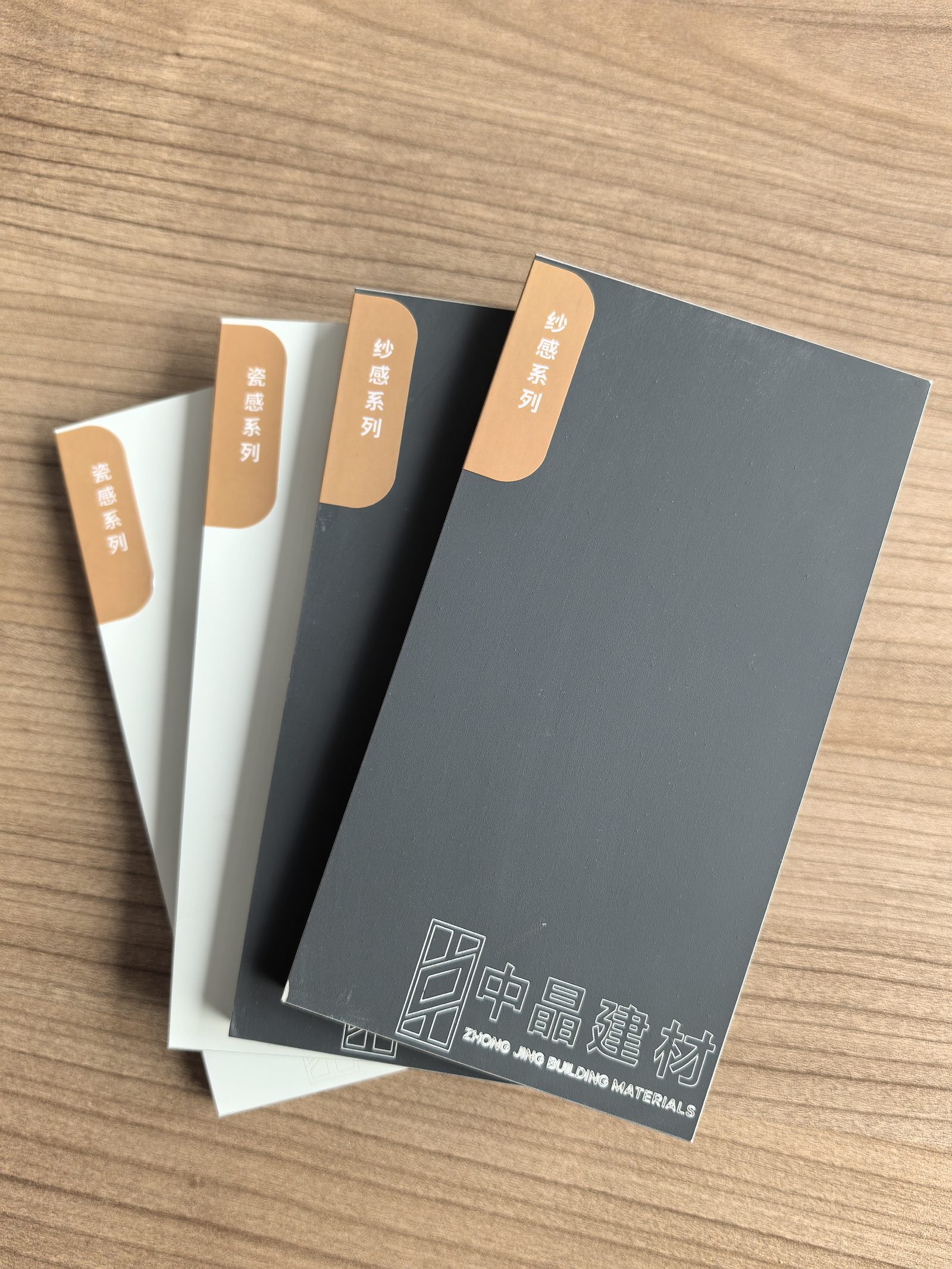
Modern fiber cement board can be pre-coated in factory lines, and digital printing now puts wood-grain and marble-look decorative board finishes onto an A1 non-combustible substrate — a combination HPL cannot offer at the same fire class. Our pre-coated board and textured decorative board pages show the range. For wet areas, a moisture-resistant wall panel specification guide covers the practical details.
The Buying Model: Brand Channel vs Direct OEM
Beyond the material, the commercial model differs. James Hardie and Equitone sell through regional distribution networks — convenient, well-stocked, but with fixed product ranges and regional pricing. Trespa distributes through authorised partners with strong project support. All three are excellent for specifiers who need off-the-shelf delivery and brand recognition on the drawings.
A direct manufacturer relationship works differently. Zhongjing supplies fiber cement board with CE, French A+ and REACH compliance, ENF (not-detected) formaldehyde, and full test documentation. We customise board size, thickness, colour and packaging, and we support OEM/ODM branding so an importer can build their own board brand rather than reselling someone else's. Our certification guide explains how to read a test report or DoP, and the installation guide covers fixing, joints and detailing for both rainscreen and dry-fix systems.
When Each Option Makes Sense
- Brand distribution (Hardie / Equitone / Trespa): local stock, fast delivery, established project references, fixed range.
- Direct fiber cement supply (Zhongjing): custom sizes and thickness, OEM branding, A1 fire class, one accountable partner for price, lead time and documentation — browse the full board range.
- Project scale: large facade roll-outs and multi-year programmes benefit most from a direct manufacturing relationship with early technical engagement.
An honest comparison never starts with logos. It starts with the material family — then fire class, format, finish and the supply model that fits your project.
Frequently Asked Questions
Is Trespa a fiber cement board?
No. Trespa panels are HPL — a resin-based decorative board, not fiber cement board. They differ in fire class, moisture behaviour and long-term durability, so verify the project's requirements before substituting one for the other.
What fire rating do James Hardie and Equitone boards achieve?
Always check the CE DoP for your market. As a general guide, many European James Hardie and Equitone fiber cement cladding boards carry A2-s1,d0 or B-s1,d0 ratings, while Zhongjing fiber cement board is classified A1 non-combustible to GB 8624.
What is the difference between fiber cement and HPL (Trespa)?
Fiber cement board is inorganic and autoclave-cured, so it does not burn and has low moisture movement. HPL is resin-impregnated paper pressed at high temperature; it offers rich surfaces but sits in a lower reaction-to-fire class and responds differently to humidity.
Why buy directly from a manufacturer instead of a brand distributor?
Direct factory supply gives control over board size, thickness, colour and packaging, full access to certifications (CE, French A+, REACH, ENF), and OEM branding options. Brand distributors sell a fixed regional range with established service networks.