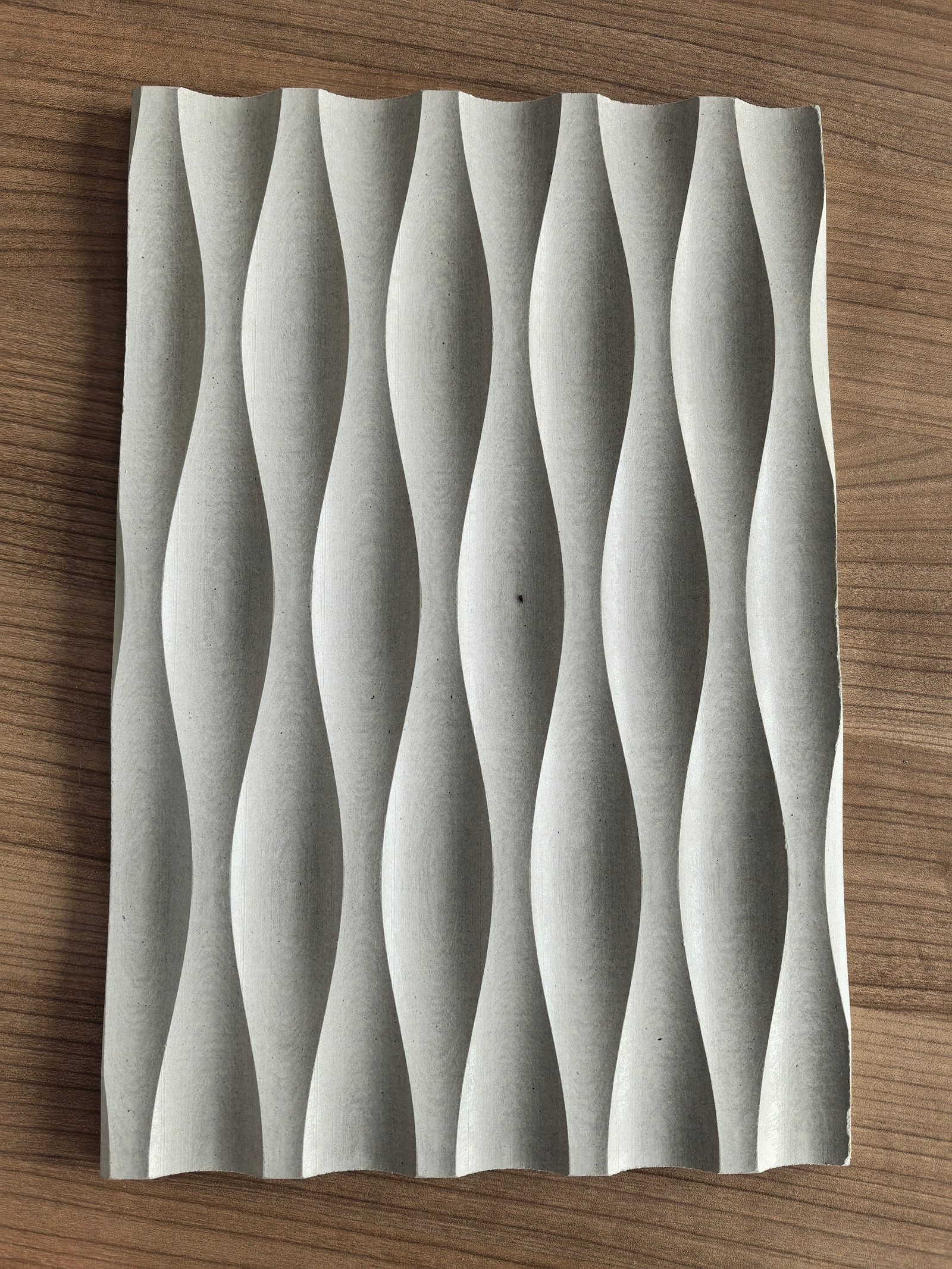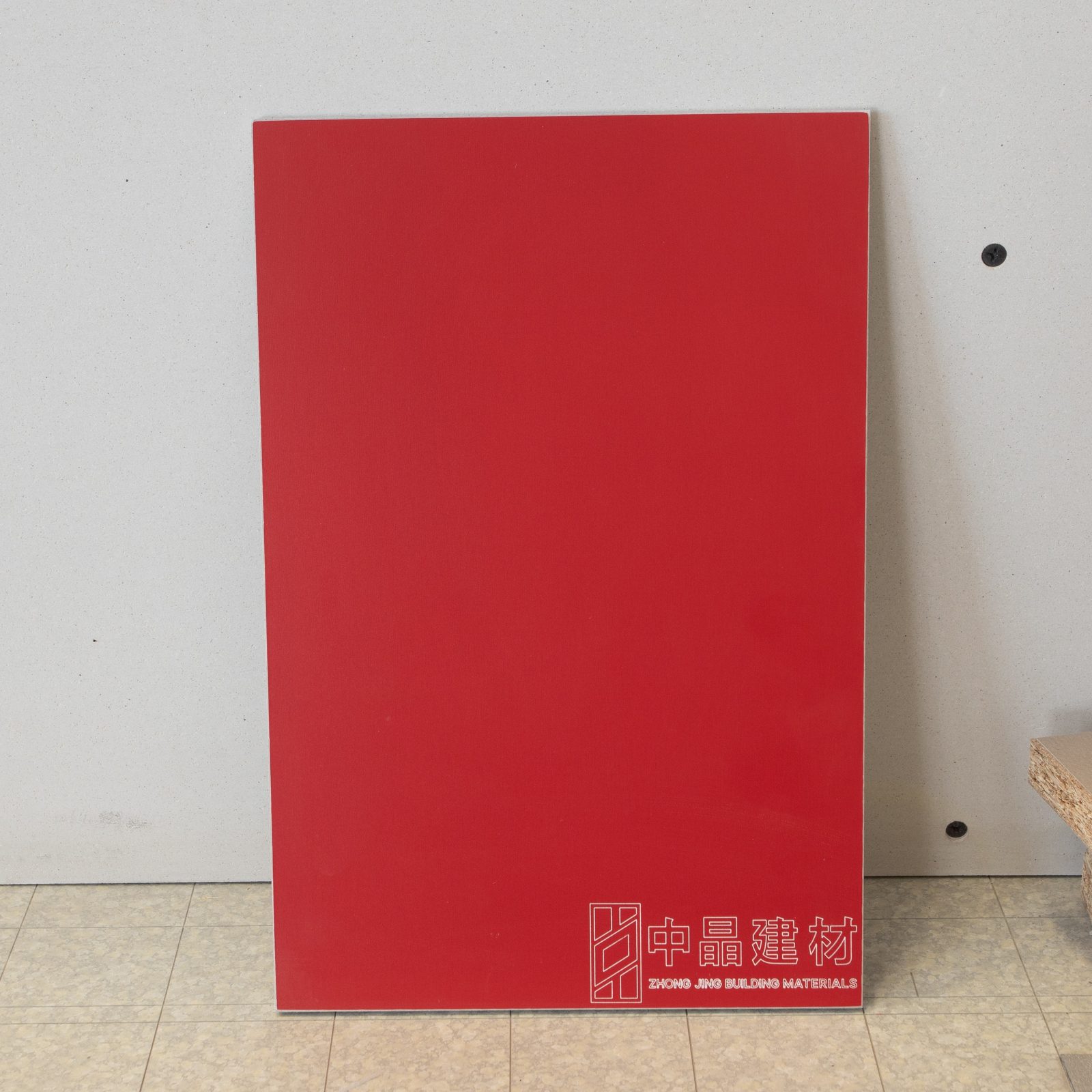
Construction is industrializing. Prefabricated volumetric modules (MiC — Modular Integrated Construction) and panelized interior systems move the work from unpredictable job sites into controlled factories. That shift changes what a wall substrate must be. It is no longer enough to perform in a building; the board must perform on a production line, a truck, and a crane — then click into place on site. Crystal Board is engineered exactly for that journey.
What Prefab Demands of a Substrate
- Light weight. Every kilogram added in the factory multiplies across transport, lifting, and structural allowance.
- Dimensional stability. Modules are built to tight tolerances; a substrate that swells or warps wrecks the fit.
- Dry installation. Factories want no wet trades — no plaster, no curing, no weather delays.
- Fire & moisture performance. Modules ship and stack; a single weak material becomes a systemic risk.
- Processability. CNC cutting, routing, and rapid fixing without specialist tooling.
Why Crystal Board Fits
| Prefab need | Crystal Board answer |
|---|---|
| Low transport weight | Flagship 0.85 g/cm³ — 30–40% lighter than standard FC board |
| Dimensional stability | Inorganic, moisture-proof; no swell or warp in factory humidity |
| Dry, fast install | Flat ready-finish surface; utility-knife cut; nail/screw directly |
| Fire safety in transit & use | A1 non-combustible + CE; AQ1 safe smoke |
| One material, many parts | Serves walls, ceilings, linings, and duct wrap — simplifies BOM |
| Factory processability | CNC-friendly; consistent density and thickness |
Where It Is Used in Modular Builds
- Partition & wall cassettes: light-steel framed Crystal Board panels delivered complete.
- Ceiling cassettes: A1-rated, low-load ceilings for modules.
- Bathroom & wet pods: moisture-proof substrate that tolerates pod humidity without rot.
- Facade & balcony linings: stable, non-combustible backing behind finishes.
- HVAC & service chases: lightweight fire wrap for duct and penetration protection.
Proven at Scale
Zhongjing boards have been specified in large modular and prefabricated projects — including modular building programs exceeding 100,000 m² of applied board — where consistent quality, light weight, and fire compliance were decisive. The same properties that suit a single home renovation scale cleanly to an industrial production line.
Prefab Advantage Summary
- Lighter modules → lower logistics & crane cost
- Stable panels → tighter factory tolerances
- Dry install → no curing, no weather delays
- A1 + moisture-proof → systemic risk reduced
- One board → simpler bill of materials
Modular construction is manufacturing, not masonry. The materials that win are the ones born for the factory floor — light, stable, dry, and safe. That is Crystal Board. — Zhongjing Application Engineering
From Factory to Site, One Material
For developers and modular manufacturers, adopting a single inorganic substrate across walls, ceilings, and linings reduces supplier count, training, and quality variance — while satisfying fire and air-quality codes that are increasingly non-negotiable. That is the quiet efficiency dividend of building with Crystal Board.