Abstract
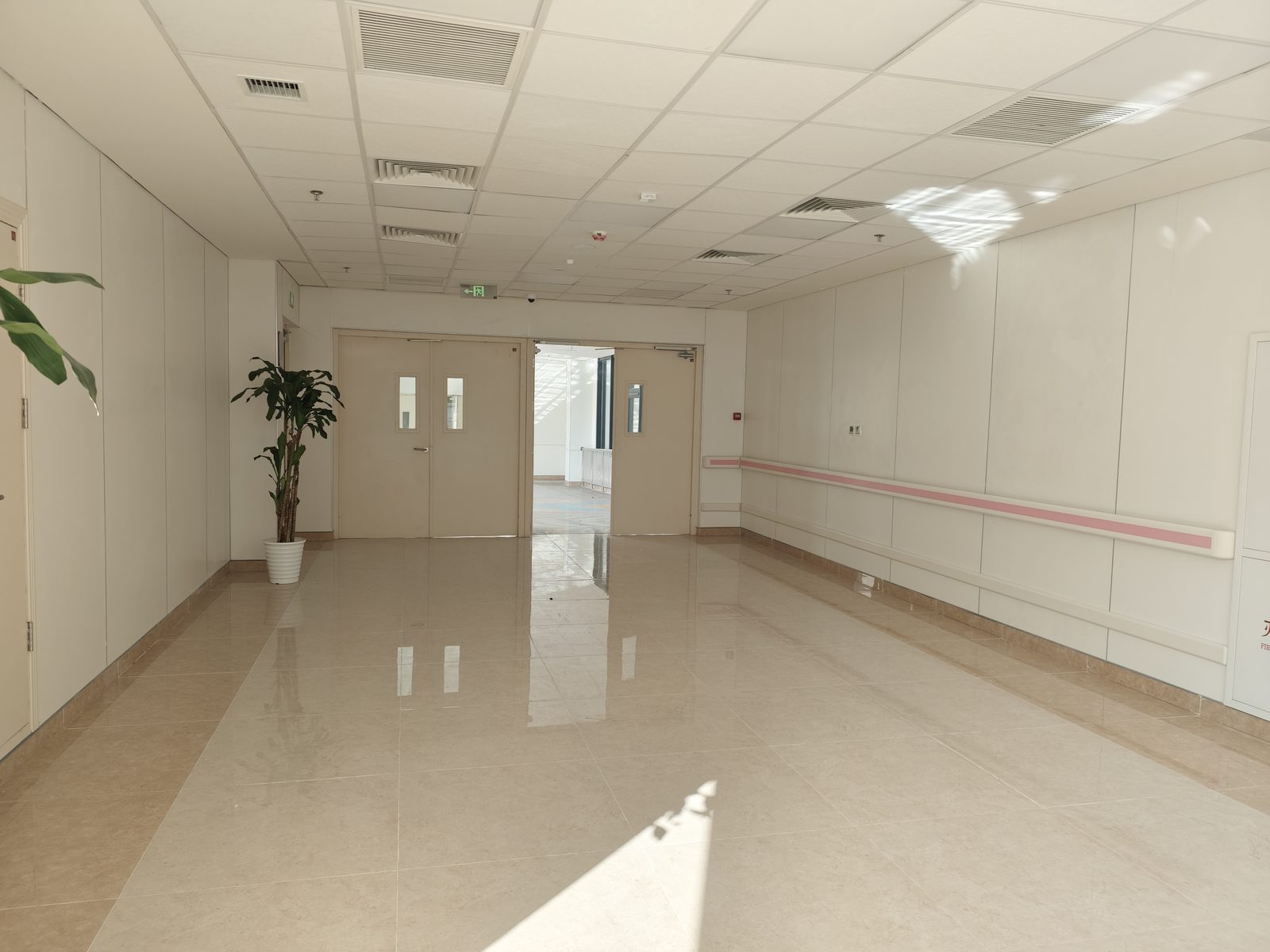
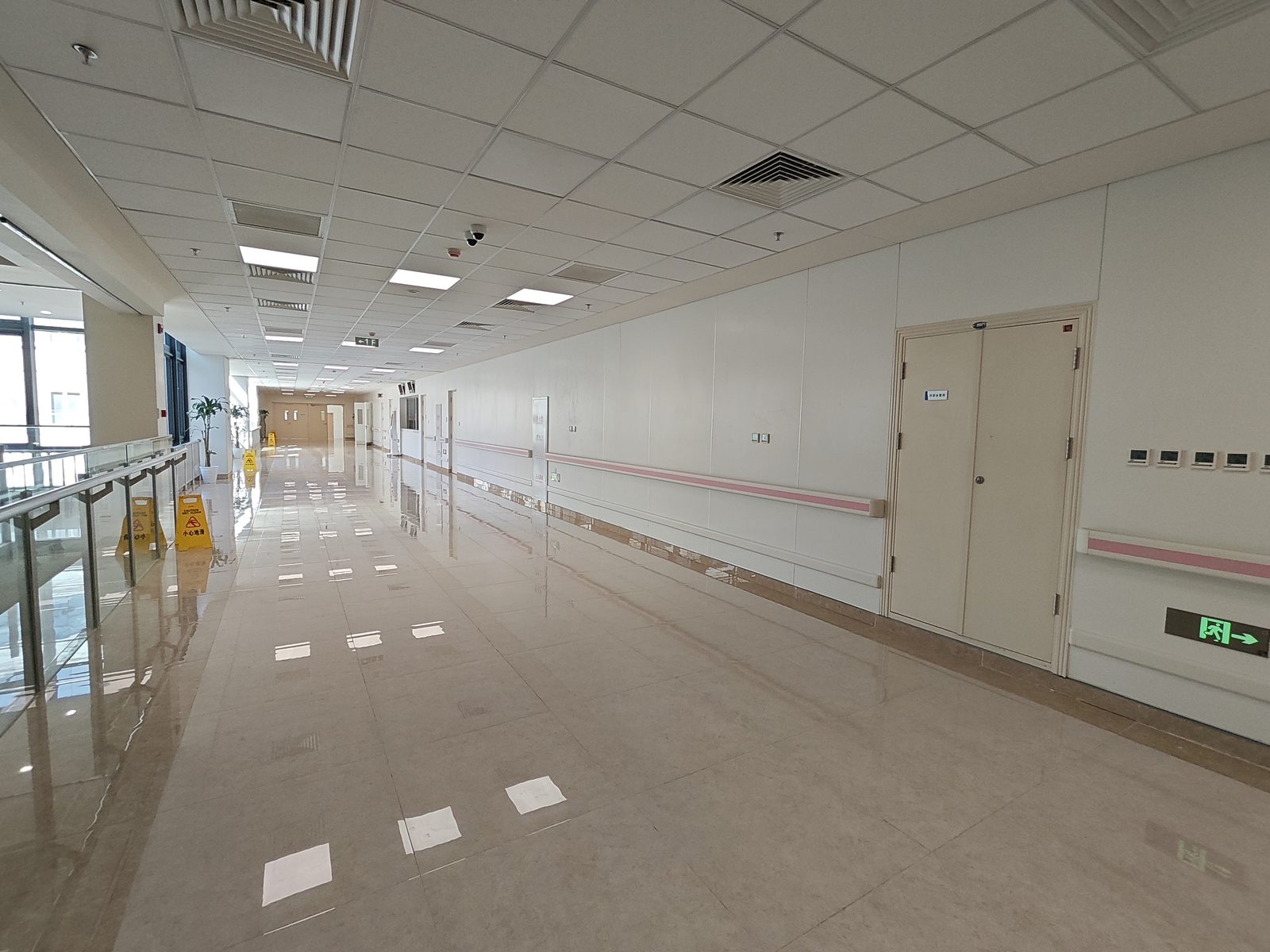
Most building materials are specified for one dominant risk. A coastal event venue has to be specified for three at once: sustained humidity and salt air, a public-assembly fire code, and an acoustic brief written for a hotel. Haixinsha Island on the Pearl River in Guangzhou — the site of the Asian Games opening ceremony — compressed all three into a single package. Zhongjing supplied approximately 50,000 m⊃ of 125 mm TaiCom composite board, a factory-formed fiber cement board wall panel system, for hotel acoustic walls and podium partitions at the venue.
This is the fourth in our series of five landmark project studies, following the Beijing 2022 Winter Olympic ski jump, the Guangzhou Baiyun Airport portfolio and the Shenzhen World Exhibition & Convention Center. Where those projects tested scale and speed, this one tests weather exposure — what happens to an interior wall panel when the building sits on a river delta in southern China.
Key Takeaways
- Coastal interiors are exterior problems. Year-round humidity of the Pearl River delta stresses boards the way an exterior wall would — dimensional stability, not just water resistance, is the deciding property.
- One board, two duties. The 125 mm TaiCom composite wall panel delivered acoustic separation for the hotel areas and an A1 non-combustible classification for a public-assembly building at the same time.
- Mass is the acoustic shortcut. Acoustic separation follows panel mass and airtightness. A dense composite build-up avoids stacking separate acoustic and fire layers on site.
- Podium partitions sit in the dampest zone. The lowest levels of a riverfront building are where a board proves whether it is genuinely inorganic — or merely coated to look that way.
The Supply Package at a Glance
| Item | Detail |
|---|---|
| Project | Haixinsha Island — Asian Games opening venue, Guangzhou, Guangdong |
| Setting | Pearl River island, coastal southern China |
| Product | 125 mm TaiCom composite board (fiber cement wall panel system) |
| Applications | Hotel acoustic walls · podium partitions |
| Volume | ≈50,000 m⊃ |
| Fire classification | A1 non-combustible (GB 8624-2012 & EN 13501-1), smoke toxicity AQ1 |
The project is documented in our public Featured Projects library alongside the Olympic ski jump, Baiyun Airport and the Shenzhen exhibition center.
Why a Coastal Interior Is Harder Than It Looks
Guangzhou sits on the Pearl River delta. Mean relative humidity stays high across the year, the wet season runs long, and salt-laden air reaches well inland from the South China Sea. For an interior wall specification, that produces three specific pressures:
- Constant moisture cycling. Riverfront buildings swing between humid outdoor air and aggressively air-conditioned interiors. Every cycle moves the substrate. A fiber cement board panel with wet swelling of 0.25% or less and dry shrinkage of 0.15% or less keeps joints and shadow lines tight; a board that moves more opens visible cracks at ceiling height and along long corridor runs where nobody can conceal them. The underlying selection logic is set out in our waterproof, fireproof and mould-resistant guide.
- Mould risk is a substrate question. Mould needs an organic food source. Autoclaved fiber cement board has none — no paper facing, no wood fibre, no cellulose core — which is why it holds up where gypsum board and plywood substrates fail. The chemistry is the same one behind our zero-formaldehyde board range.
- Public-assembly fire codes do not bend for humidity. A landmark venue with large occupant loads requires genuinely non-combustible linings: A1 under both GB 8624-2012 and EN 13501-1, with safe smoke toxicity. A moisture-resistant treatment applied to a combustible substrate satisfies neither requirement. Our fire safety and certification guide explains how A1, CE and French A+ documentation map onto these specs.
The Product: 125 mm TaiCom Composite Wall Panel
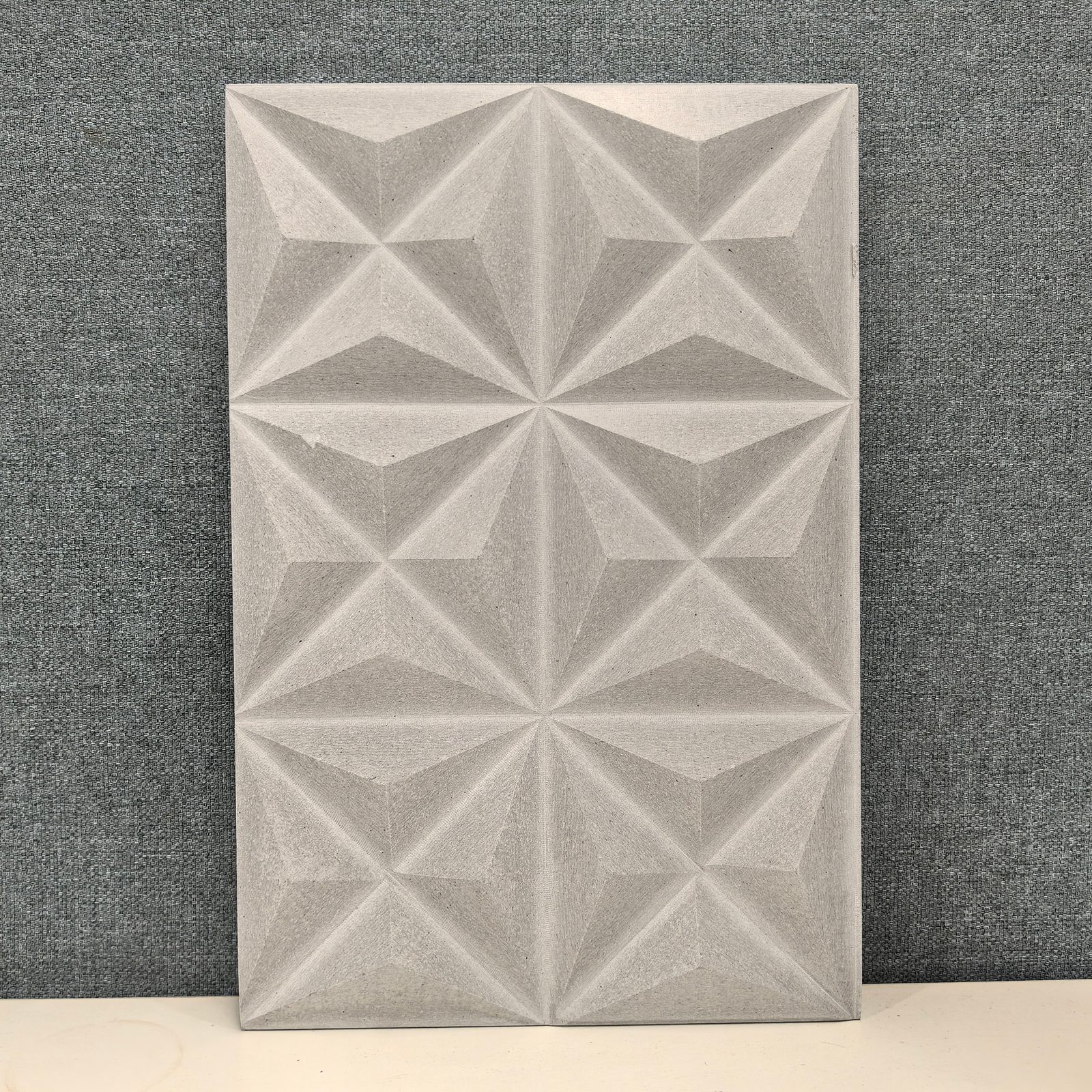
The package was built around TaiCom composite board — a 125 mm factory-formed wall panel module produced on an automated line as a ready-to-erect system. Its composite build-up pairs a dense fiber cement face with a lighter core, which is what makes it work in both roles at once:
- Acoustic duty. Airborne sound separation between rooms is driven mainly by panel mass and airtightness. A 125 mm composite module carries enough mass to deliver hotel-grade separation between guest rooms without adding a separate acoustic layer — and because the module arrives as one unit, there are fewer joints through which sound can leak.
- Fire duty. The same panel is an inorganic, A1 non-combustible board with AQ1 smoke toxicity. There is no facing paper or retardant treatment that can degrade over the venue's service life.
- Speed duty. Because the panel geometry is fixed in the factory, partitions go up fast and straight. Long hotel corridor runs read clean — a real advantage in a building where guests walk past every wall.
TaiCom modules are one member of the wider family that includes calcium silicate board for lining duty and low-density fiber cement board for ceilings. Both the calcium silicate board and the fiber cement board grade are autoclaved inorganics from the same production line, which keeps QA and certification review in one place. Our calcium silicate vs gypsum comparison covers where each grade earns its place, and the fiber cement board thickness guide maps grades from 6 mm to 25 mm by application.
Acoustic Walls in the Hotel Zones
Hotel acoustics is one of the least forgiving briefs in construction. A guest room wall has to prevent conversation, television and plumbing noise from crossing into the next room, and it has to keep doing so for decades — through humidity cycles that open joints and through fixing points that loosen as a building settles.
Three properties of the TaiCom composite wall panel carried the specification:
- Mass in a single layer. Acoustic separation scales with surface mass. The 125 mm composite build-up provides it without building up a separate mass layer and a separate fire layer on site — one board, two compliance lines.
- Fewer joints, fewer leaks. Sound finds gaps. A factory-formed module produces fewer and more consistent joints than a site-assembled multi-layer wall, so the installed performance stays closer to the tested performance.
- Stability at the fixings. Screw-holding capacity of at least 1,200 N keeps panels tight to the frame as the building moves through its humidity cycle — the mechanism behind rattling, buzzing walls in humid climates.
Podium Partitions: The Dampest Zone in the Building
Podium levels are where a riverfront building meets the ground: higher ambient moisture, service penetrations, and in many venues a semi-exposed or open-fronted condition where outdoor air reaches the wall. For those zones the specification question is blunt — is the board genuinely inorganic all the way through, or is it a coated product?
Autoclaved fiber cement board answers it by chemistry. Board supplied for coastal and semi-exposed duty is tested for freeze-thaw resistance across 100 cycles, holds bending strength of at least 10 MPa and retains its fixing performance through repeated wet and dry cycles. There is no organic component to rot, no paper facing to delaminate and nothing for mould to feed on. Where the podium use becomes effectively exterior — canopies, overhangs and soffits — dedicated soffit and eaves board grades carry the same matrix to the outside face, and external facade cladding covers full rainscreen duty.
What Specifiers Should Take From This Project
- Specify dimensional stability, not just "waterproof". In coastal interiors the failure mode is movement at joints, not dissolution. Ask for wet swelling and dry shrinkage figures and hold the supplier to them.
- Check that fire class and moisture resistance come from the same substrate. If the fire rating depends on a treatment or a facing, humidity will eventually argue with it. A1 should be intrinsic to the inorganic matrix.
- Use one board where the duties overlap. Hotel acoustic walls and podium partitions in a coastal building both need mass, stability and non-combustibility. A composite wall panel module that satisfies all three simplifies QA, certification review and site coordination.
- Plan the podium as a damp zone. Treat the lower levels of a waterfront building as semi-exterior for material selection, and specify freeze-thaw-tested grades even where the wall is nominally inside.
- Batch the documentation early. For an international event venue, A1 classification reports, CE marking and DoP, French A+ emissions data and REACH compliance are all reviewed before installation starts — see our certification guide for the full document set.
Frequently Asked Questions
How much board was supplied to the Haixinsha Island Asian Games venue?
Approximately 50,000 m⊃ of 125 mm TaiCom composite board were supplied for hotel acoustic walls and podium partitions at the Haixinsha Island venue on the Pearl River in Guangzhou, Guangdong — the site of the Asian Games opening ceremony. The package combined acoustic wall duty in the hotel areas with partition duty across the podium levels.
Why does a coastal venue need fiber cement board rather than gypsum board?
Guangzhou sits on the Pearl River delta with year-round high humidity, salt-laden air and a pronounced wet season. Fiber cement board is an autoclaved inorganic panel with wet swelling of 0.25% or less and dry shrinkage of 0.15% or less, so joints stay tight through repeated humid and air-conditioned cycles. Gypsum-based boards soften and sag when exposed to sustained moisture and depend on paper facings that can support mould growth. For below-grade podium zones and coastal interiors, an A1 non-combustible inorganic panel removes both the moisture and the fire risk in one substrate.
What is a TaiCom composite board and why was it used for acoustic walls?
TaiCom composite board is a factory-formed 125 mm wall panel module produced on an automated line as a ready-to-erect system. Its sandwich build-up combines a dense fiber cement face with a lighter core, which gives the panel mass for acoustic separation while keeping it light enough to handle. At the Haixinsha hotel areas, one board delivered both the acoustic separation required between guest rooms and the A1 non-combustible classification required in a public-assembly building — instead of stacking separate acoustic and fire layers on site.
How do fiber cement wall panels perform in salt air and coastal weather?
Autoclaved fiber cement board is dimensionally stable and rot-proof by chemistry: there is no organic fibre or paper facing to absorb salt moisture or feed mould. Board supplied for coastal projects is tested for freeze-thaw resistance over 100 cycles, holds bending strength of at least 10 MPa and screw-holding capacity of at least 1,200 N, so fixings stay tight as the building moves through thermal and humidity cycles. For semi-exposed podiums and canopies, exterior-grade and soffit grades carry the same inorganic matrix.
Can one board really cover both acoustic and fire requirements?
Yes — where the board carries real mass. Acoustic separation is largely a function of panel mass and airtightness, and fire performance comes from the A1 non-combustible inorganic matrix. A 125 mm composite wall panel module provides both in a single layer, which is why it simplified the Haixinsha hotel and podium specification. Where a project needs a rated partition rather than a lining, the same inorganic family builds systems rated 1 hour at 8 mm, 2 hours at 9 mm and 3 hours at 12 mm in tested assemblies.
References
- Standardization Administration of China. (2012). GB 8624-2012: Classification for burning behavior of building materials and products. Beijing: SAC.
- European Committee for Standardization. (2018). EN 13501-1: Fire classification of construction products and building elements. Brussels: CEN.
- European Committee for Standardization. (2021). EN 12467: Fibre-cement flat sheets — Product specification and test methods. Brussels: CEN.
- ASTM International. (2022). ASTM C1186-22: Standard Specification for Flat Fiber-Cement Sheets. West Conshohocken, PA: ASTM.
- ASTM International. (2019). ASTM C1288-19: Standard Specification for Fiber-Cement Sheets for Interior Applications. West Conshohocken, PA: ASTM.
Last reviewed and updated: October 2026. Author: Zhongjing Building Materials Technical Team. The project described is a documented supply contract at the Haixinsha Island Asian Games venue, Guangzhou; project location, product and application areas are documented in our public project library, and specific contractual details remain confidential. For enquiries on coastal, hotel or public-assembly fiber cement board and calcium silicate board supply (HS Code 681182), contact [email protected].