Vietnam is not one construction market: a northern market around Hanoi and Hai Phong with a cool, damp winter, a southern market around Ho Chi Minh City with a pronounced monsoon, and a central coast that takes typhoons and salt air. A board that behaves well in one does not automatically behave well in another — but the reason buyers keep moving away from paper-faced and wood-based linings is the same in all three.
This guide is about the market rather than our catalogue: what is being built, why wall materials get replaced, the names the trade uses, what evidence a specifier asks for, and how an imported panel gets from a port to a site.
Where the Demand Comes From
Four streams carry most of the volume:
- Urban housing. Apartment towers and the narrow tube houses on most Vietnamese streets — both need flat interior walls finished quickly, one because there are hundreds of identical units, the other because the plot leaves no room to stack trades.
- Industrial and logistics building. Factories and warehouses moving into the north: fast-track programmes with fire compartmentation and long uninterrupted wall runs, which is the duty an inorganic board handles best.
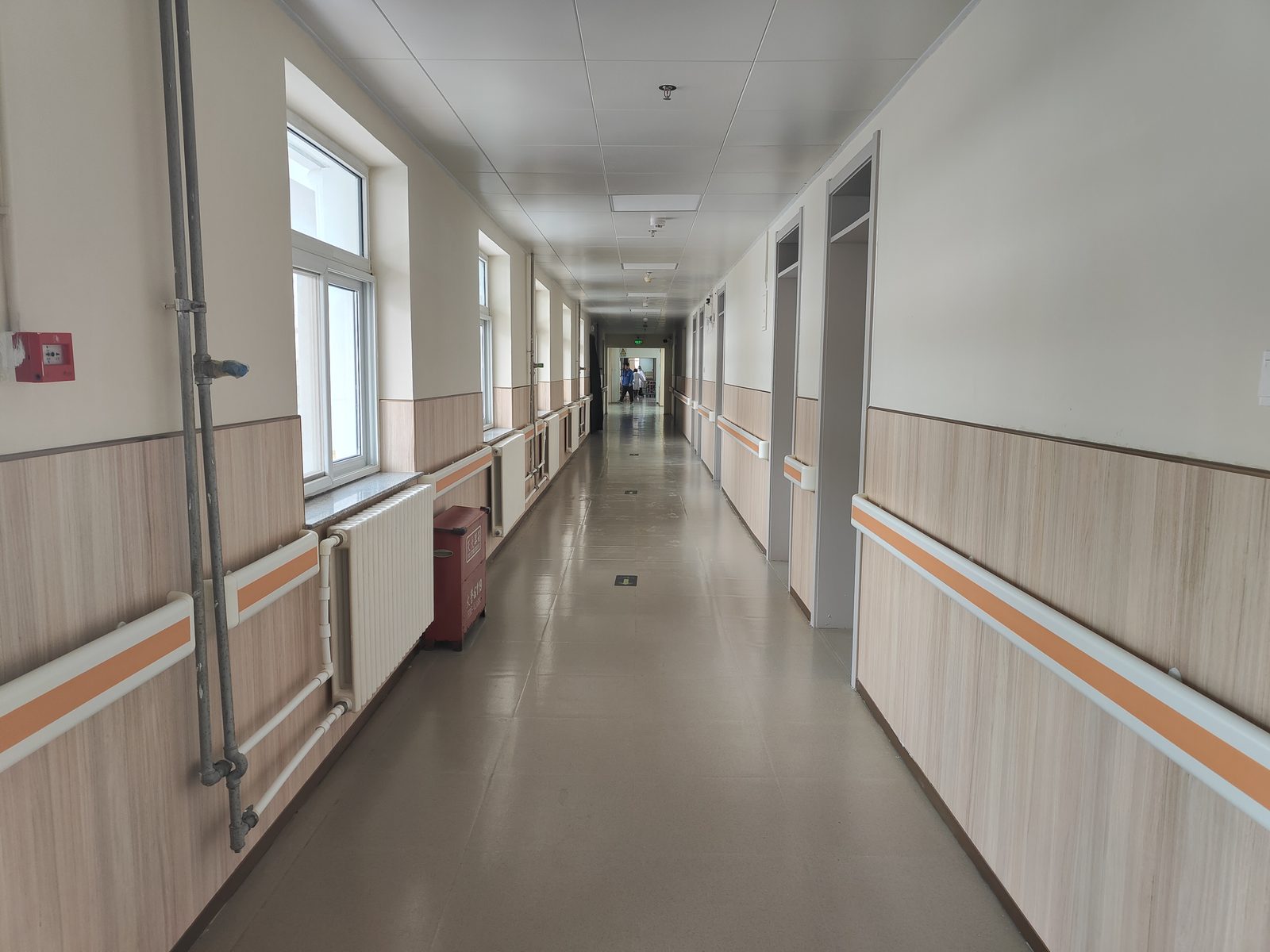
- Public and institutional work. Airports, hospitals, schools and stations, where a consultant writes the specification and documentation matters as much as price.
- Hospitality and resort. Coastal hotels and villas where humidity, salt air and a short construction season press on the same wall.
Renovation is the quiet fifth stream. Replacing a wall in an operating building is slow when the method is wet; a dry board system shortens the closure time of the room, which in a hotel or a hospital is the cost that actually matters.
Why the Climate Selects the Material
Relative humidity sits high for most of the year, and the southern monsoon turns that into repeated wetting and drying rather than a steady state. Paper-faced gypsum holds its core together through paper facings, and once those soften the lining loses integrity; wood-based panels swell at the edges and their organic content feeds mould.
An inorganic fiber cement board or calcium silicate board is mineral through its full thickness — cement, quartz sand and mineral fibre, pressed and autoclave cured. The numbers that matter on site:
| Property | Typical value | What it means in a Vietnamese building |
|---|---|---|
| Wet expansion | ≤ 0.25% | Monsoon humidity does not open joints or bow panels |
| Dry shrinkage | ≤ 0.15% | Walls stay flat through the dry season |
| Mould resistance | Inherent — no organic nutrient | Bathrooms, kitchens and ground floors stay clean without treatment |
| Immersion behaviour | 30 days without swelling or delamination | Leaks, washdowns and flooded ground floors are recoverable |
Regional difference shows up in the detailing rather than the board: in the north the damp winter makes drying slow, so wet-area walls benefit from a board that never needs to dry out; on the central coast wind-driven rain turns the exterior face into a weather barrier, which is the logic set out in our external facade cladding guide; in the south the long rainy season puts the emphasis on joint treatment and on dry storage before fixing.
The Names Buyers Actually Use
Language is where specifications go wrong. The same family travels under several names in Vietnam:
- tam xi mang — cement board, the common trade term, used loosely for anything cement-based.
- tam fibro cement — fiber cement board, closer to the technical description.
- ficem — the shorthand heard in dealer yards. Useful recognition, dangerous as a specification, because it names a family and not a grade.
- tam calcium silicate — calcium silicate board, the denser product where mass and acoustic separation matter.
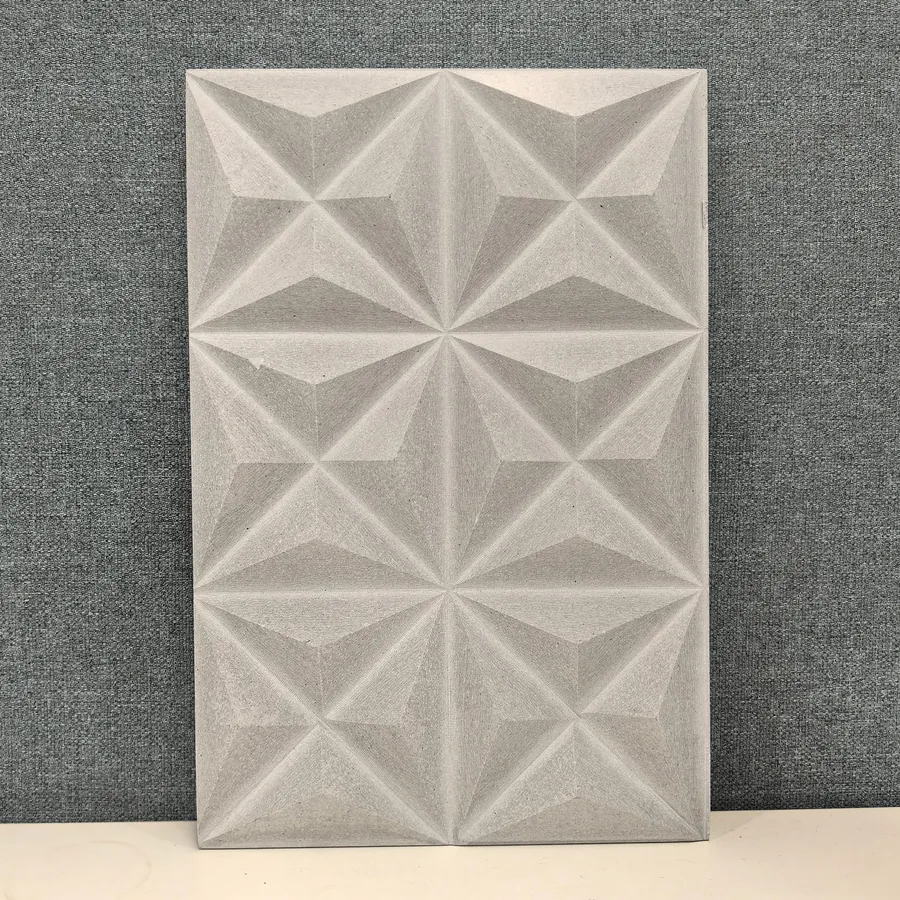
- tam panel or tam trang tri — decorative wall panel, which may be a coated board, a printed board or a carved board.
A quotation that says only “cement board 8 mm” can be read five ways. State the board type, density, thickness, finish and that the product is asbestos-free — older fibre cement in the region did contain asbestos, so an explicit declaration removes that objection before it is raised.
Fire, Certification and the Questions a Consultant Asks
Vietnam's fire requirements are set nationally and applied project by project, so the consultant, not the supplier, decides what evidence is acceptable. The first round of questions is predictable: the classification of the board itself, the tested rating of the assembly at the thickness being supplied, and what happens to the rating when penetrations and heads are sealed.
Our boards are A1 non-combustible with AQ1 smoke toxicity, and in tested steel-stud assemblies with stone wool in the cavity they deliver roughly one hour at 8 mm, two hours at 9 mm and three hours at 12 mm per face. Projects also ask for a CE Declaration of Performance, French A+ indoor air quality, REACH compliance and ENF-grade formaldehyde results. Sending the report behind a claim is more persuasive than sending the claim.
The most common documentation failure is a fire certificate with no thickness relationship and no assembly detail attached — it answers nothing and costs a week while the consultant asks again.
How the Channel Buys
Distribution in Vietnam is relationship-led at the counter and demanding at the project. Three buyers behave differently:
- The distributor cares about stock turn, batch-to-batch colour consistency and breakage in transit.
- The contractor cares about the date, site loss and how fast his crew can fix and finish. A lighter board one person can carry changes his labour calculation more than a small price difference.
- The consultant cares about parameters, details and documents, and will not approve a substitution without them.
Price sensitivity is real, but total cost usually decides: waste, labour, painting and the cost of returning to fix a wall. A factory-coated wall panel with no site painting often lands cheaper than a bare board plus three coats.
Samples decide more than brochures: a dealer will not commit stock to a decorative board finish he has not seen, and a specifier will not write a decor into a drawing he cannot touch.
Where the Board Earns Its Place
In a Vietnamese project one fiber cement board family covers most of the wall programme: partitions and ceilings, wet-area walls, shaft cladding, exterior cladding on low and mid-rise work, and the visible face in lobbies and hospitality. Thickness follows exposure rather than habit — our thickness and selection guide sets out the ranges, and the wet-area wall panel systems guide covers the rooms that fail first when the material is wrong.
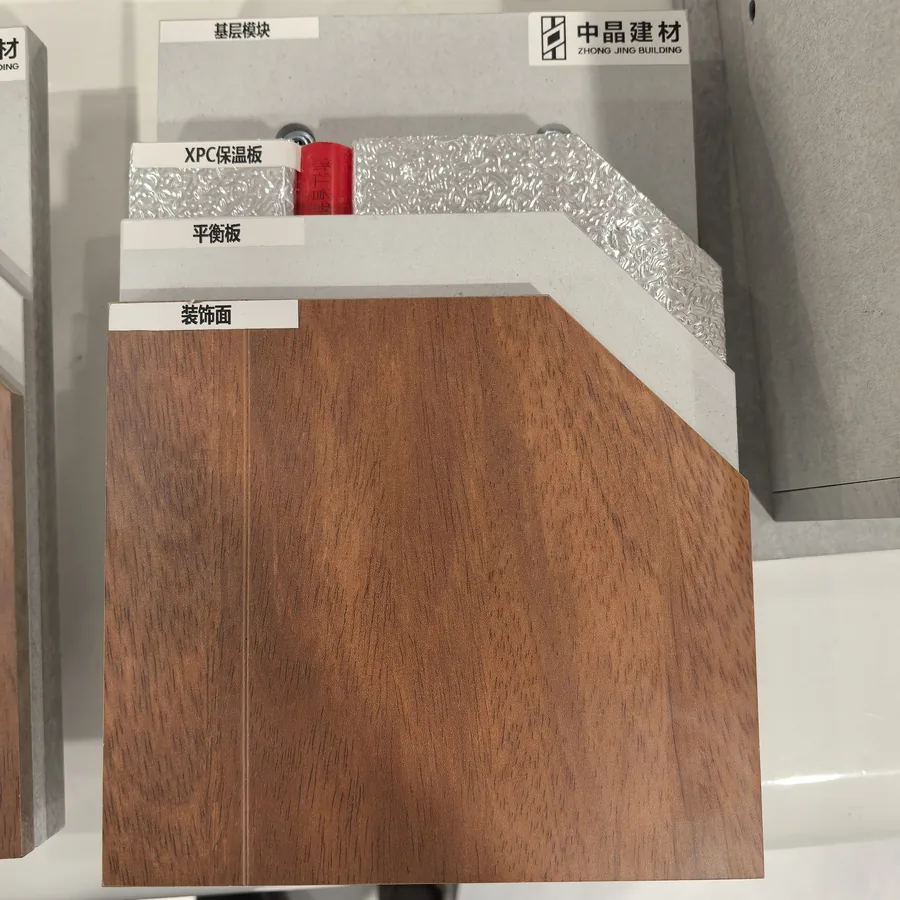
For interiors that need a finish rather than a substrate, a printed or coated decorative board takes the painting trade off the programme entirely — the category that has moved fastest in apartments, cafes and hotel rooms, and the one where the feature wall and the A1 substrate behind it come from a single supplier. The same applies to a decorative board reception wall: no wet trade, no drying time, and a surface that can be replaced panel by panel.
From Tianjin to Hai Phong or Cat Lai
Northern projects usually land through Hai Phong, southern projects through Ho Chi Minh City — Cat Lai or the deeper Cai Mep terminals, depending on vessel and consignee. Two practical points decide the landed economics:
- Weight per square metre. A low-density board around 0.85 g/cm³ is roughly 30% lighter than conventional fibre cement, and a 6 mm sheet at about 18 kg can be handled by one person — on an ocean bill and on a site with no lift, that is the whole argument.
- Moisture in transit. A container entering a tropical port condenses: boards must be palletised, wrapped and kept off the floor, or the first row arrives stained.
Mixing thicknesses and decors in one container is normal for a first order. What has to be settled early is the loading plan, because the sequence decides how much of the container is actually used.
FAQ: Fibre Cement Board in Vietnam
What is fibre cement board called in Vietnam?
In day-to-day trade the product is usually called tam xi mang (cement board). Suppliers also use tam fibro cement, the shorthand ficem, and tam calcium silicate for the denser calcium silicate board. Because those words describe a family rather than one specification, a quotation should always state board type, density, thickness and whether the board is asbestos-free.
Does fibre cement board suit Vietnam's humidity?
It is one of the main reasons the material is specified. Vietnam runs at high relative humidity for most of the year, with a monsoon season in the south and a damp winter in the north. An inorganic board has wet expansion of 0.25 percent or less and dry shrinkage of 0.15 percent or less, and contains no organic material for mould to feed on — unlike paper-faced gypsum and wood-based panels, which soften, swell at the edges and support mould once the facings are compromised.
What evidence does a Vietnamese project ask for?
Specifiers want the fire classification of the board itself and, for compartment walls, the tested assembly rating at the thickness being supplied. A1 non-combustible classification with AQ1 smoke toxicity, a CE Declaration of Performance, French A+ indoor air quality, REACH compliance and ENF-grade formaldehyde results answer the first round of questions. A supplier statement on its own rarely closes the issue; the test report behind it does.
Which thickness is used for walls and ceilings?
Ceilings and dry interior partitions commonly use 6 to 9 mm, walls in circulation areas and wet rooms use 9 to 12 mm, and fire-rated or impact-exposed walls move up to 12 mm and above. The answer depends on the frame, fixing centres, fire period and exposure, which is why the assembly matters more than the sheet alone.