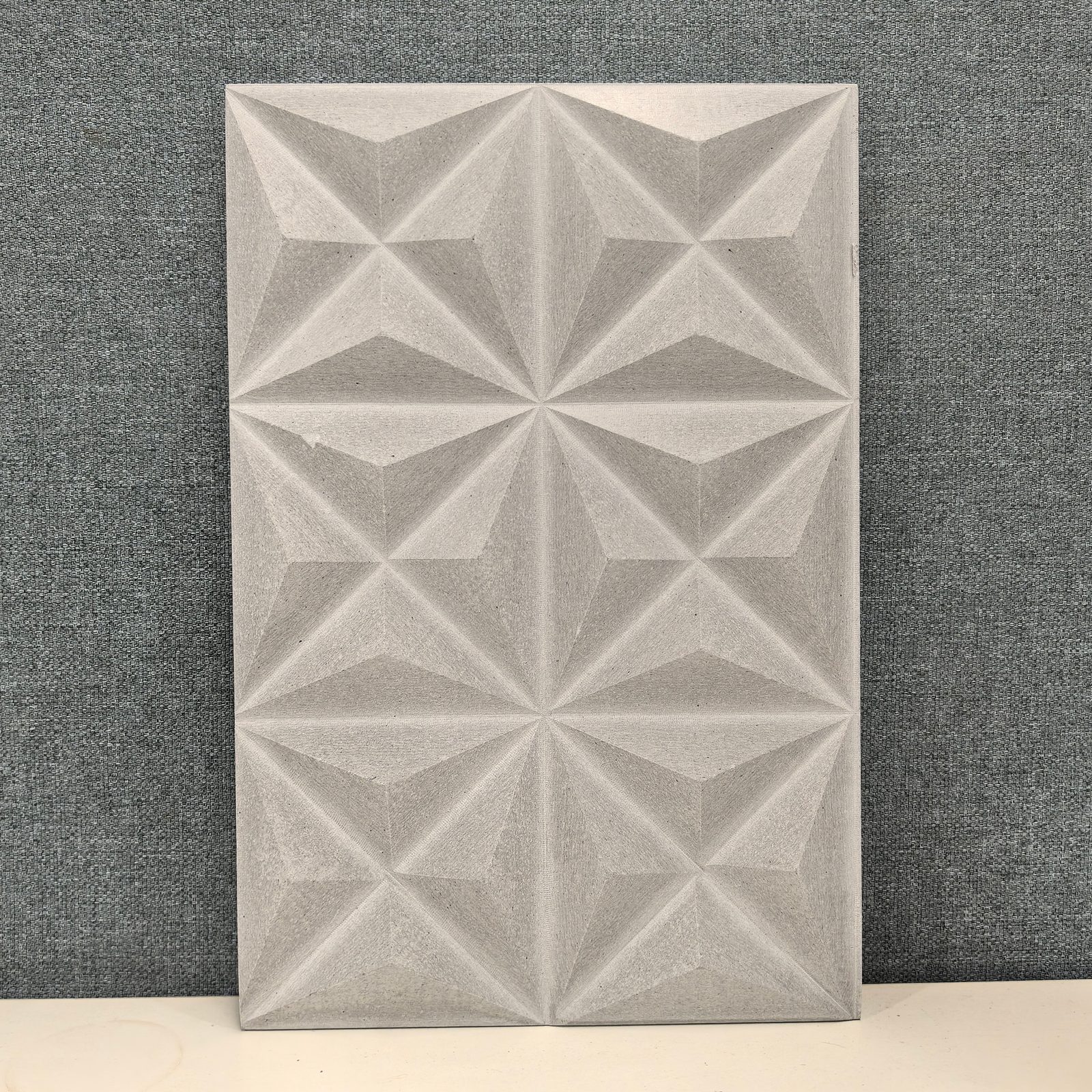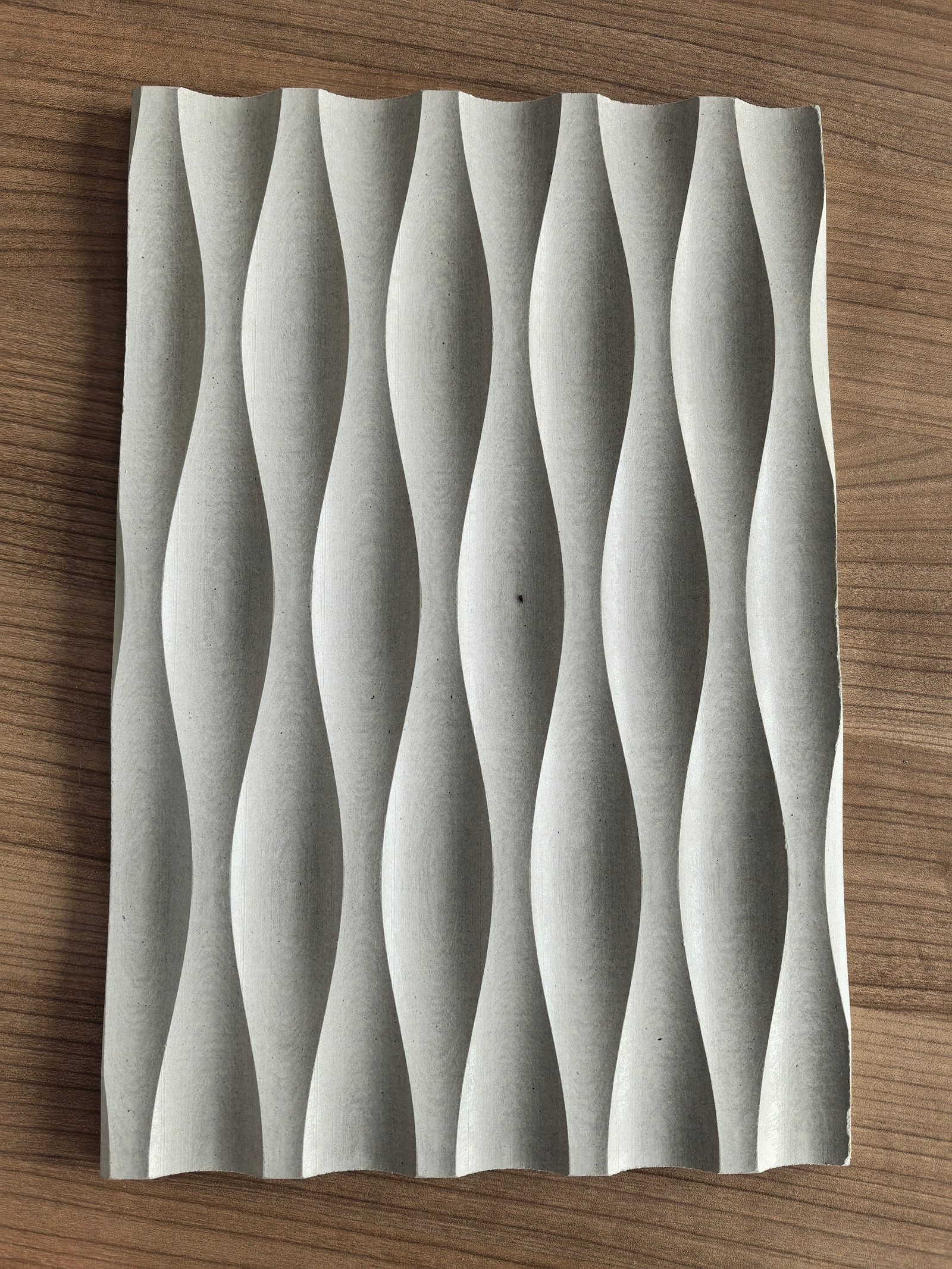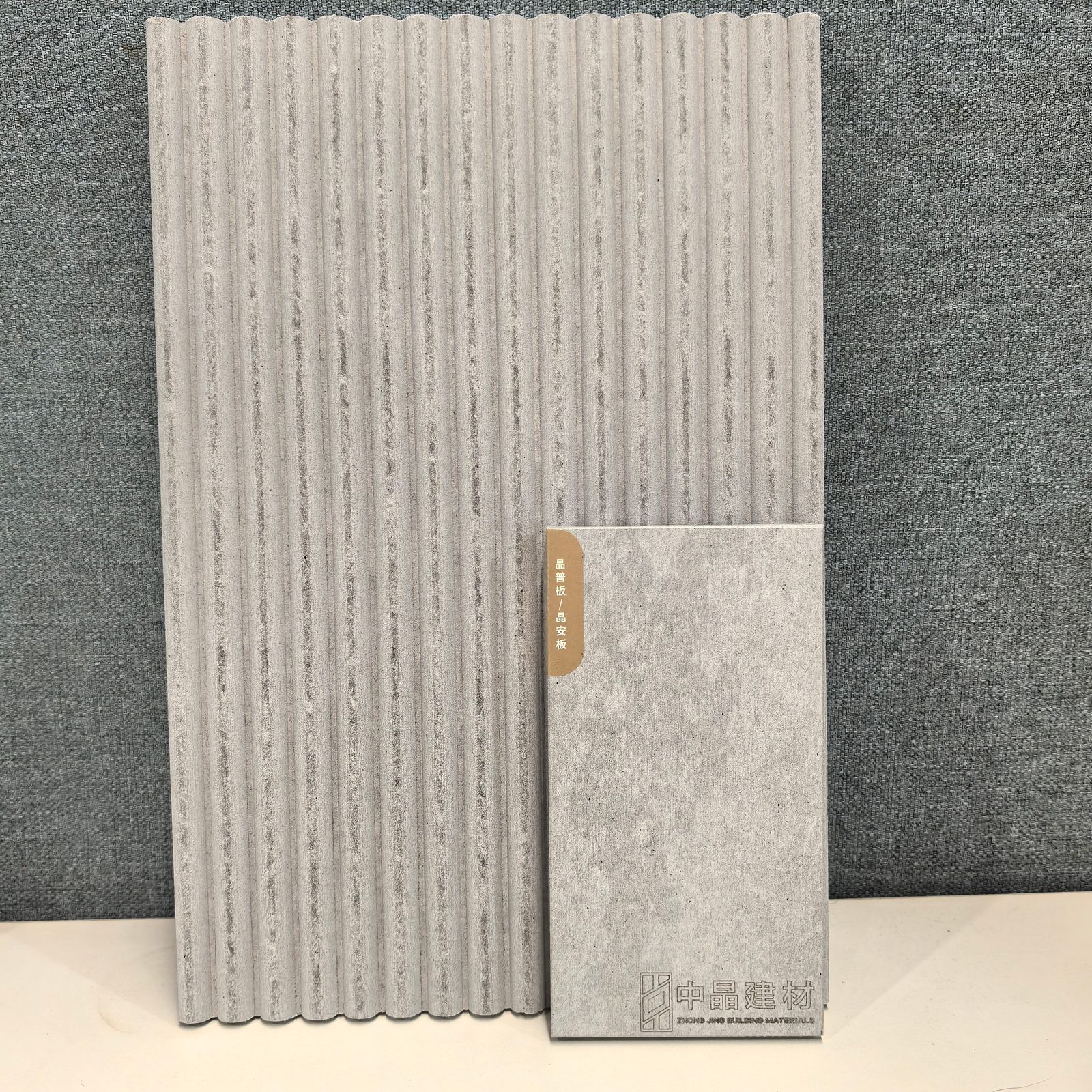
Short answer: yes to all three — with one important nuance on water. A quality fiber cement board is A1 non-combustible, highly water-resistant, and inherently mold-resistant because it is an inorganic material with nothing for mold to feed on. This guide breaks down what each claim actually means, the test data behind it, and where the practical limits are so you can specify with confidence.
The Short Answer
| Property | Verdict | What the data says |
|---|---|---|
| Water-resistant? | Yes (with limits) | Swelling ≤0.25%, dry shrinkage ≤0.15%; survives 30-day immersion without delamination |
| Fireproof? | Yes — A1 | Non-combustible at 1000°C; no burn, melt or drip; smoke toxicity AQ1 (safe) |
| Mold resistant? | Yes | Inorganic; no organic nutrient; formaldehyde not detected (ENF) |
Is Fiber Cement Board Waterproof?
The precise term is water-resistant, not "impervious to water." Fiber cement board is made from cement, silica and plant fiber, autoclave-cured into a dense inorganic sheet. Its moisture behavior is excellent: water absorption swelling is at or below 0.25%, dry shrinkage at or below 0.15%, and in a 30-day immersion test the board does not delaminate, soften, or grow mold. On the standard 24-hour impermeability test, the underside shows only a damp trace with no droplets.
In practice that means it is the right wall panel and substrate for the wet and humid zones of real buildings — bathrooms (dry and splash areas), kitchens, laundries, basements, and sheltered balconies. Unlike gypsum board, which softens and powders when wet, or wood-based boards, which swell and rot, fiber cement board simply shrugs off humidity.
The nuance: it is not intended for continuous full submersion (pool basins) or as exposed exterior weatherboarding in the harshest freeze-thaw climates without the correct grade. For those conditions, choose a denser fiber cement board or a calcium silicate board, always seal cut edges, and follow the waterproofing membrane detail. For a design walkthrough of wet-area use, see our bathroom wall panel guide.
Is Fiber Cement Board Fireproof?
Yes. Fiber cement board is classified A1 non-combustible under EN 13501-1 and GB 8624. In plain terms: at 1000°C it does not burn, melt, or drip, and its smoke toxicity is rated AQ1 (safe). That is a fundamentally different league from wood-based boards, which carbonize and release toxic smoke, or gypsum board, whose paper facing ignites.
Beyond the material rating, fiber cement board builds real fire-rated assemblies. Paired with light-gauge steel studs and rockwool, it delivers partition and wall panel systems rated for 1 hour (8 mm), 2 hours (9 mm), and 3 hours (12 mm). That is why it is specified for escape routes, ceilings, and public buildings where fire performance is regulated. For the specifier's view on ratings and certifications, read our fire safety & green certifications guide.
Is Fiber Cement Board Mold Resistant?
Yes — and this is where the inorganic nature pays off most. Mold needs organic matter to live on. Wood and the paper face of gypsum board are exactly that food source; fiber cement board is not. It is, in effect, a sterilizer for mold: inorganic, stable, and with no nutrient to support growth even in damp basements and humid coastal sites.
It is also ENF-grade — formaldehyde not detected, with TVOC at or below 0.06 mg/m³. Combined with mold resistance, that makes it suitable for healthcare, schools, and residential interiors where air quality is regulated. Interior decorative board finishes stay clean and odor-free for the life of the building.
How It Compares on the Three Threats
| Condition | Fiber Cement Board | Wood-based board | Gypsum board |
|---|---|---|---|
| Water | Swells ≤0.25%, no rot | Swells, warps, rots | Softens, crumbles, sags |
| Fire | A1 non-combustible | Burns, toxic smoke | Paper face ignites |
| Mold | Inorganic, resistant | Feeds on wood | Feeds on paper & glue |
Where to Use It — and Where to Be Cautious
Best fit: interior wall panel and ceilings, dry partitions, wet-room dry/splash zones, basements, balcony soffits, and (with the right grade) exterior cladding. It is the single-substrate answer for "build fast, build safe, build clean" projects — see our fiber cement vs wood cladding comparison.
Be cautious: continuous submersion, and exposed exterior use in severe freeze-thaw zones. In those cases pick a denser grade or a calcium silicate board, seal every cut edge, and verify against local fire and building codes. Our certification guide lists the CE, French A+, and ENF references to check.
Specifier's Quick Checklist
- Confirm A1 non-combustible rating for fire-regulated areas
- Confirm swelling ≤0.25% and 30-day immersion data for wet zones
- Verify ENF / low-TVOC for occupied interiors
- Match thickness to the fire-rating and load you need (6–25 mm)
- Seal cut edges; choose denser grade or calcium silicate board for constant water
Frequently Asked Questions
Can fiber cement board be used in showers and bathrooms?
Yes for the dry and splash zones of bathrooms, kitchens, laundries and basements. A quality fiber cement board resists moisture with swelling at or below 0.25% and survives 30-day immersion without delaminating or molding. For continuously submerged areas such as pool basins, or as the wet liner directly behind a showerhead, specify a denser grade or a calcium silicate board and follow the waterproofing membrane detail.
Does fiber cement board burn in a fire?
No. Fiber cement board is rated A1 non-combustible (EN 13501-1 / GB 8624), meaning it does not burn, melt, or drip at 1000°C, and its smoke toxicity is AQ1 (safe). Assembled with light-gauge steel studs and rockwool it forms fire-rated partitions and wall panel systems lasting 1 to 3 hours.
Will mold grow on fiber cement board?
No. It is an inorganic material with no organic nutrient for mold to feed on, so it stays mold-resistant even in humid basements and coastal sites. It is also ENF-grade with formaldehyde not detected, making it suitable for healthcare and residential interiors.
Is fiber cement board the same as calcium silicate board?
They are related inorganic boards but not identical. Fiber cement board is cement, silica and plant fiber cured by autoclaving; calcium silicate board is cement, silica and calcium material with mineral fiber. Both are A1 non-combustible and mold-resistant. Calcium silicate board is typically denser and preferred for the most demanding wet or high-temperature conditions, while fiber cement board is lighter and easier to cut and install. We cover the trade-offs in our calcium silicate vs gypsum piece.
Conclusion
A quality fiber cement board answers the three biggest specifier worries at once: it resists water without rotting, it is genuinely A1 non-combustible in fire, and its inorganic body simply does not feed mold. The only honest caveat is on constant submersion and harsh exterior exposure, where the right grade — or a calcium silicate board — is the correct call. For everything from interior wall panel systems to wet-room linings, it is the rational, low-risk upgrade over wood and gypsum.